by | Apr 28, 2023 | Intellectual property law
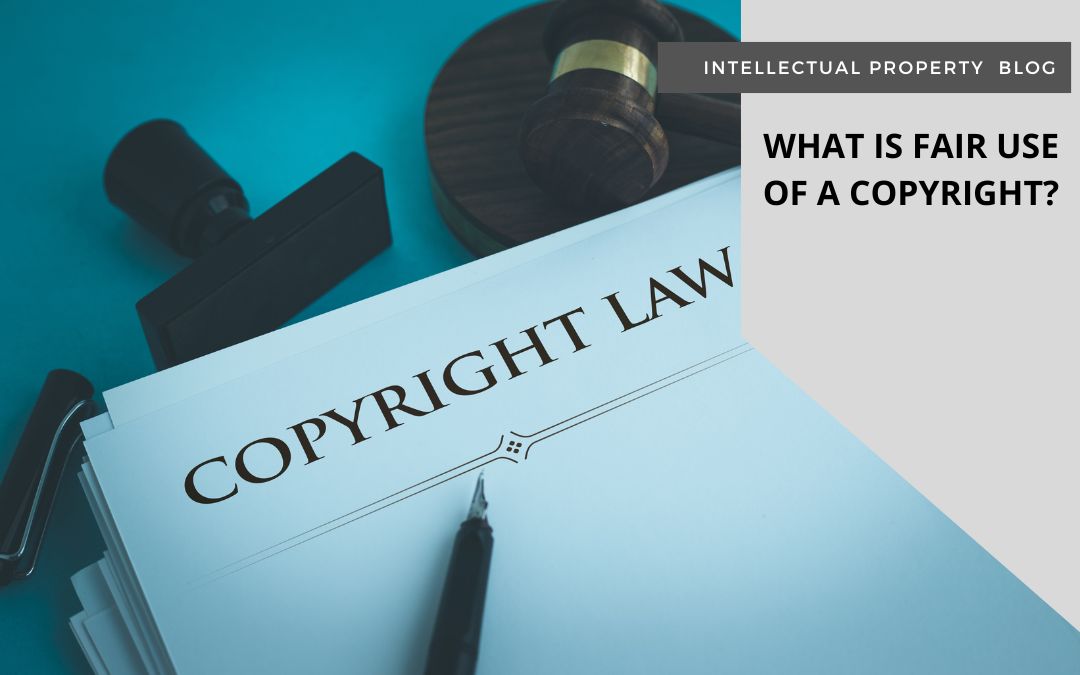
Copyrighted works can be used by entities other than the creator in limited forms. U.S. copyright laws grant “fair use” of a copyrighted work for specific situations, including criticism, comment, news reporting, teaching, scholarship, or research. As long as the user...
by | Apr 28, 2023 | Intellectual property law
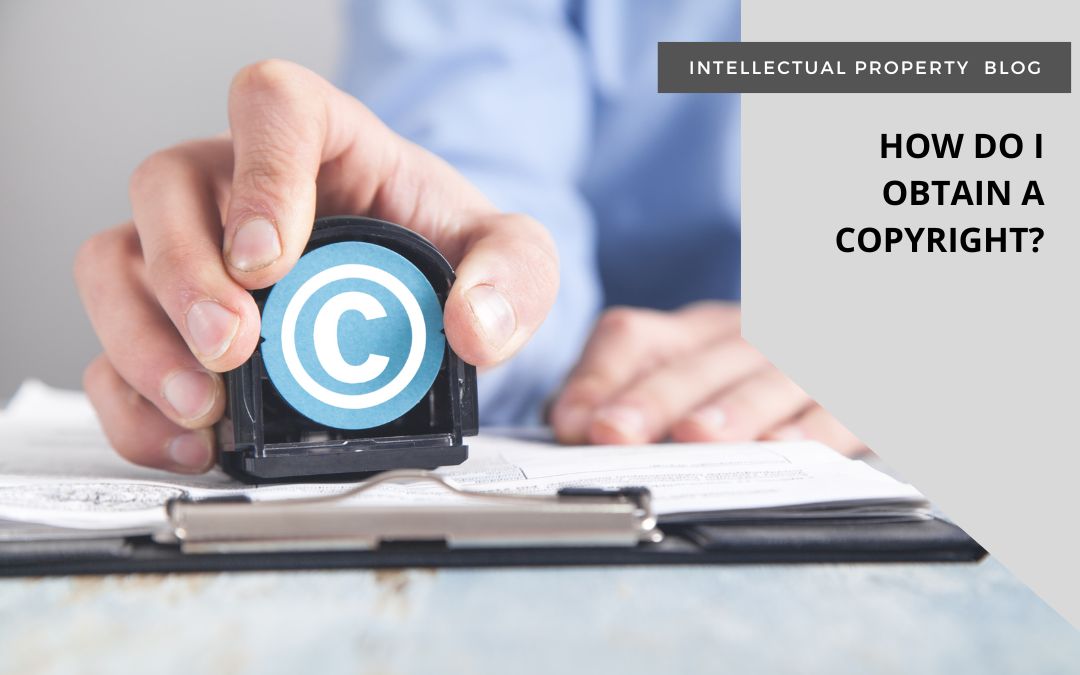
The website, https://www.copyright.gov managed by the United States Copyright Office, provides a wealth of information about copyrights, how to obtain one, and how the protections work. Difference from patents and trademarks Copyrights are different from patents and...
by | Apr 28, 2023 | Intellectual property law
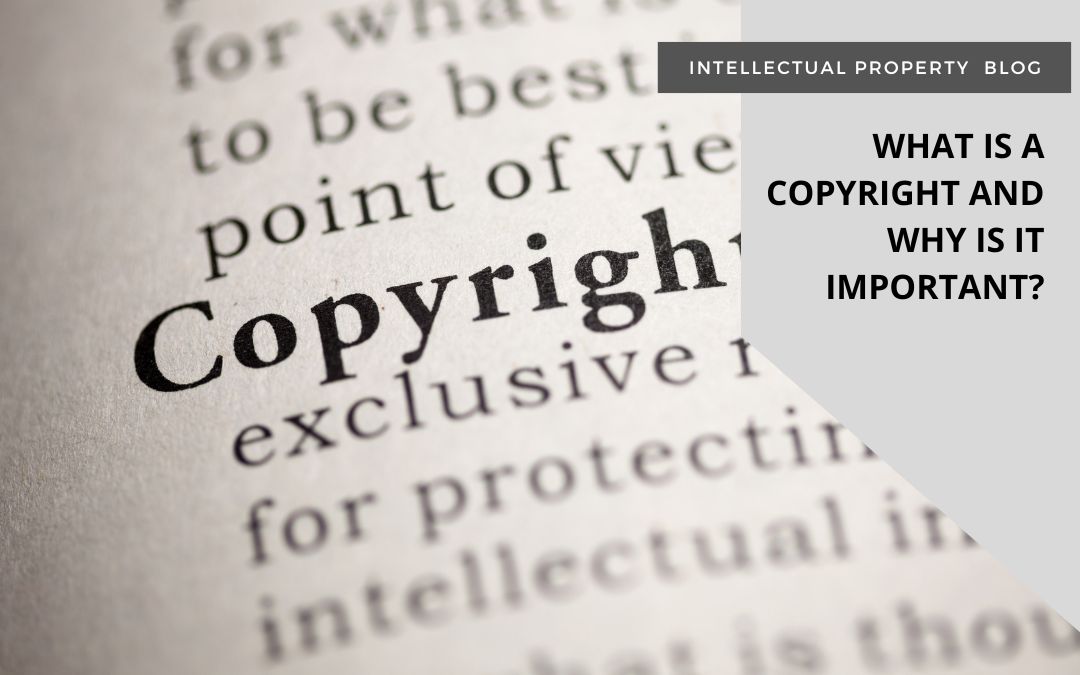
Modern copyrights were established by the Copyright Act of 1976, which outlines what type of properties can be protected and how those protections work. It is common to think of copyrights pertaining to books and songs, yet copyrights cover many more types of...
by | Apr 28, 2023 | Intellectual property law
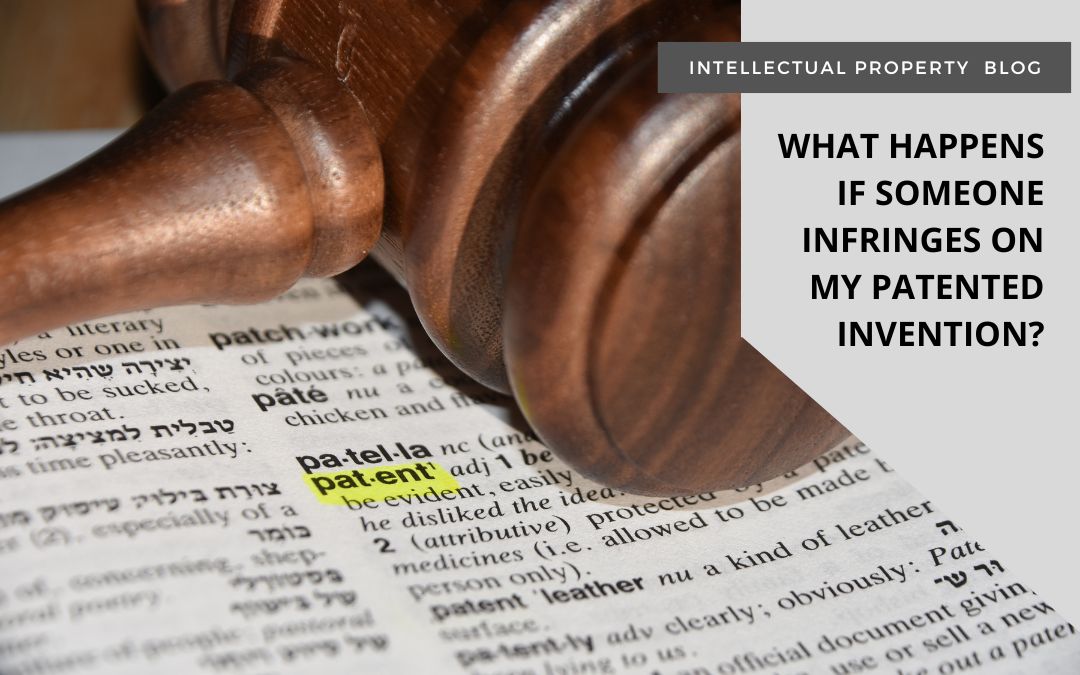
In order for patent rights to be enforceable, the patent owner must diligently keep up with patent maintenance fees. Failing to pay scheduled fees or establishing a history of ignoring infringements can cause a patent to expire. Monitoring the market Patent owners are...
by | Apr 28, 2023 | Intellectual property law
The process of applying for and being granted a patent is governed by the United States Patent and Trademark Office (USPTO). The initial steps outlined by the USPTO state that the applicant must first conduct research to determine if their invention qualifies for a...